

Herculaneum!
- Marjorie Monroe-Fischer
- Dec 10, 2025
- 4 min read
It is Monday so it must be Herculaneum! We left the flat as it was just beginning to get light, and walked to Termini train station. I struggled to find our tickets as the tour company and I had communicated through three apps! Finally I found them and we were let through into the station. The train was already at the platform so we walked to the far end of the platform to car 2 and found seats facing each other. That is very important for me as I cannot ride backwards, it makes me very sick. Sure enough, the train headed out of the station with me riding backwards! So Glenn and I switched seats and everyone was happy! The high-speed train began slowly, but as it got further out of the city it rapidly picked up speed.
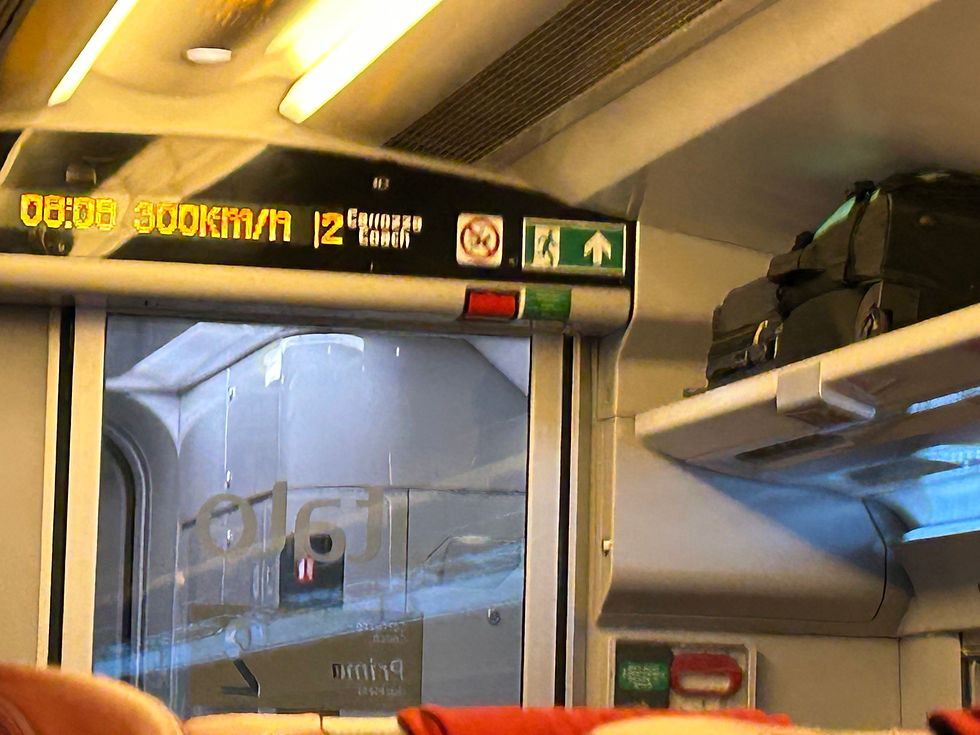
It is a little difficult to read, but we were all but flying at 300 kilometres per hour, which is 186.4 miles per hour! The ride was as smooth as can be. In 68 minutes we arrived in Napoli (Naples) where we were met by a representative of the tour company. They hustled us down to their office where we waited for our train to Erculano, the suburb by the sea where Herculaneum’s ruins were discovered. I would have loved to stop for a cappuccino on the way, but no luck. After a short wait we were hustled back upstairs to a platform in a different part of the station to catch what turned out to be a ‘milk train,’ stopping at every station on the way out to the coast. We met the other 2 people in our tour, a couple from Austria who actually have a flat in Roma and come 12 times a year. They had visited Pompeii, but it was now time for Herculaneum.
Mt. Vesuvius is an active volcano; the city of Napoli sits at its base. The city of Herculaneum is 13.5 km east from its base, Pompeii is 27 km south. In 79 CE (Common Era) the inhabitants of the area had no idea that Vesuvius was a volcano. They lived their lives happily in close proximity, probably enjoying the view. The 17 year old Pliny the Younger was across the bay of Naples at the time, and wrote primary eye witness account of the event, witnessing the death of his uncle, Pliny the Elder. At about midday the mountain violently erupted, sending gasses, molten rock, pumice and ash into the air at 1.5 million tons per second, about 100,000 times the thermal energy of the atomic bombs at Hiroshima and Nagasaki. Almost immediately the hot ash and pumice began to rain down on Pompeii, burying it, causing roofs to collapse, destroying the city. The people of Herculaneum saw the eruption and began running to the sea, hoping to escape. Then (if I have my details correct) the plume of gasses and rock collapsed, like at Mt. St. Helens in Oregon, sending a pyrocastic flow speeding down the surface of the land, reaching anywhere from 200 to 450 mph, with temperatures from 1500 to 1800° F. Anyone in its path has no hope of escaping. As proved by the eruption of Krakatoa, the pyroclastic flow can travel over water as easily as over land. In the case of Herculaneum, the buildings were left almost in tact, but people’s soft tissue instantly burns up and their brains explode. Hence all that is left is their skeletons. At least it is over instantly.
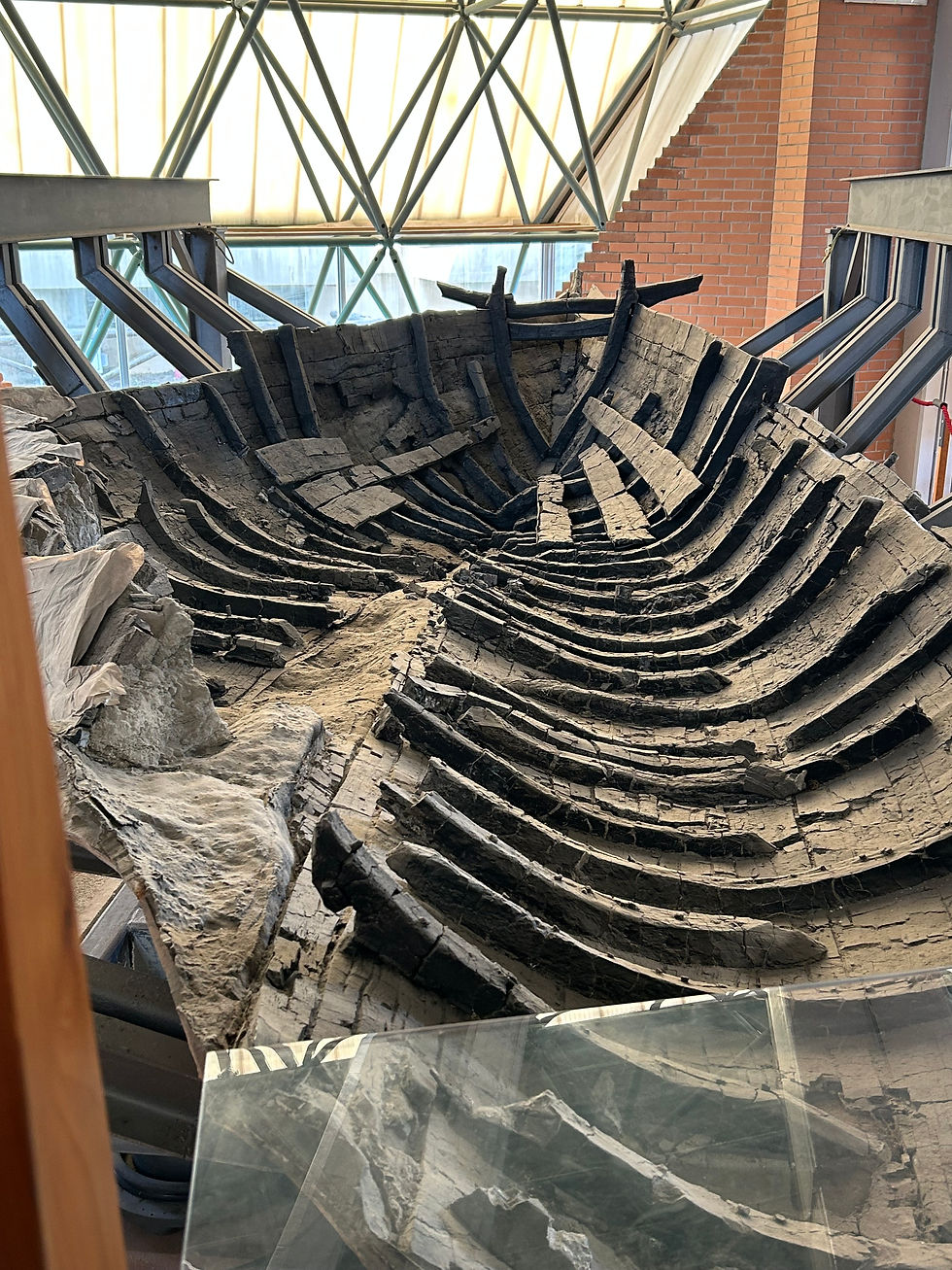
Back to modern day. We found our way out of the station to the main road down the hill to the archaeological site where we met our guide. She took us first into the 2 museums at the current ground level. The first is built around the only boat that they found. It, like all remaining wood, was turned into charcoal, but it still exists.
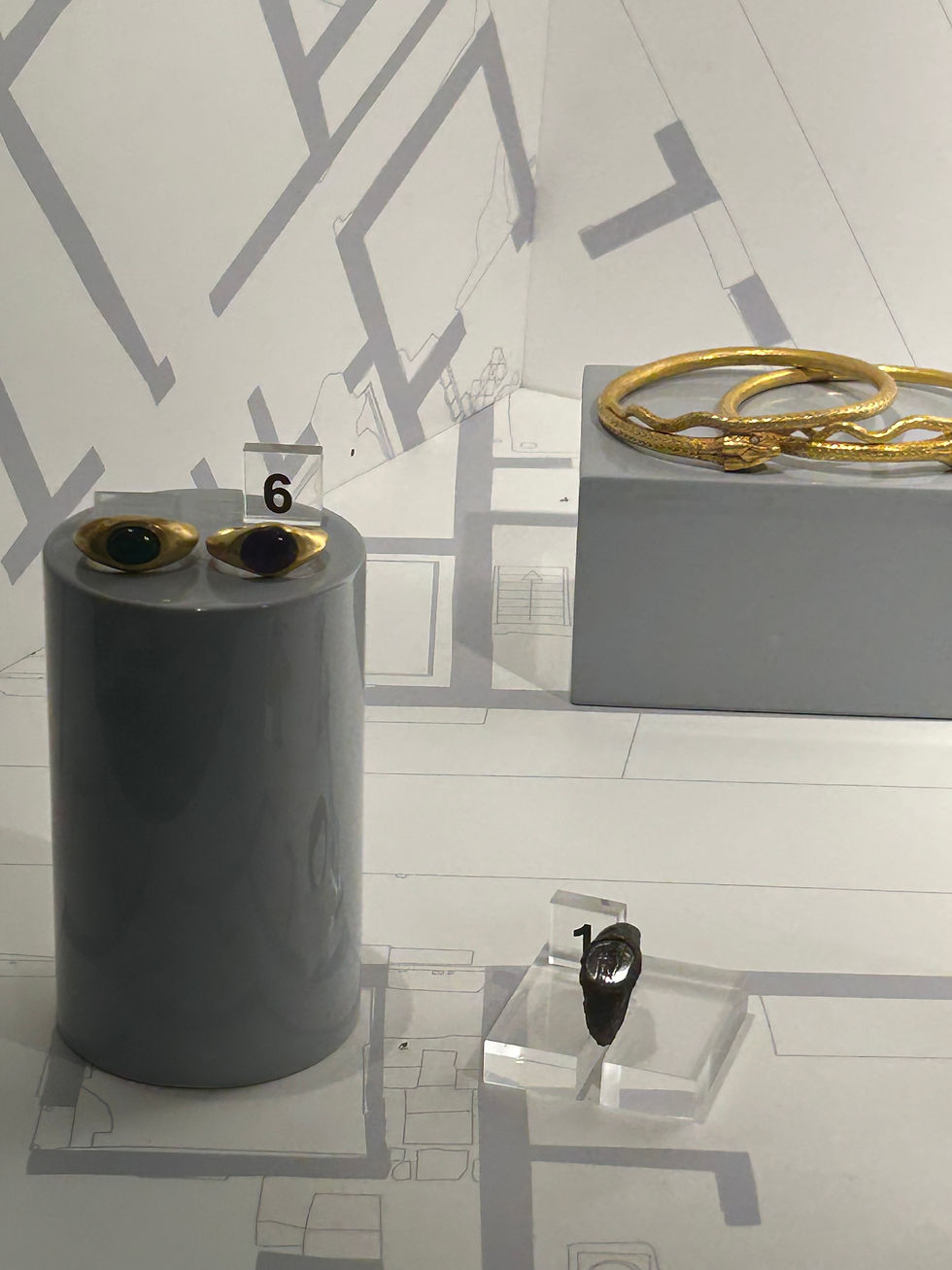
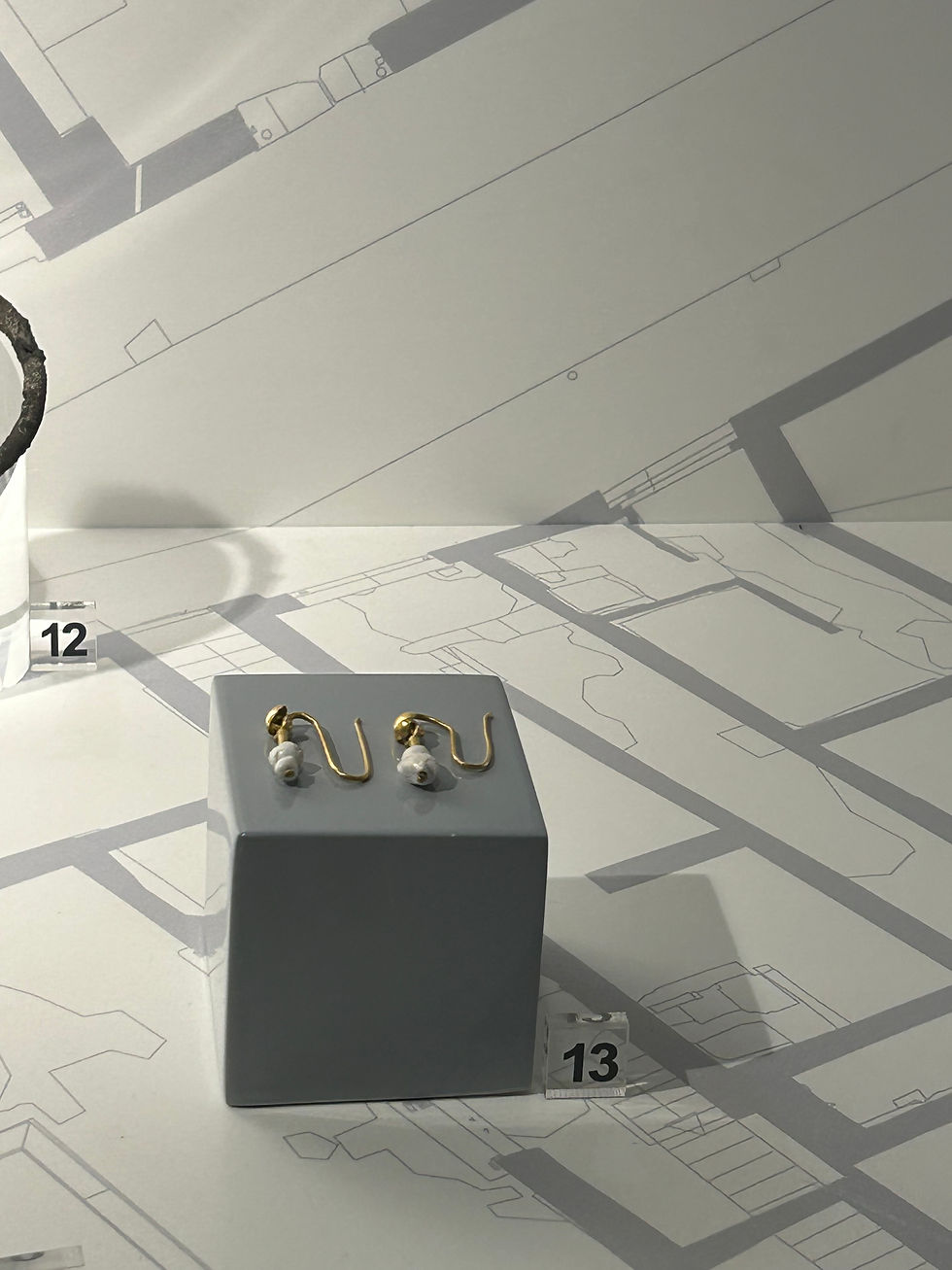
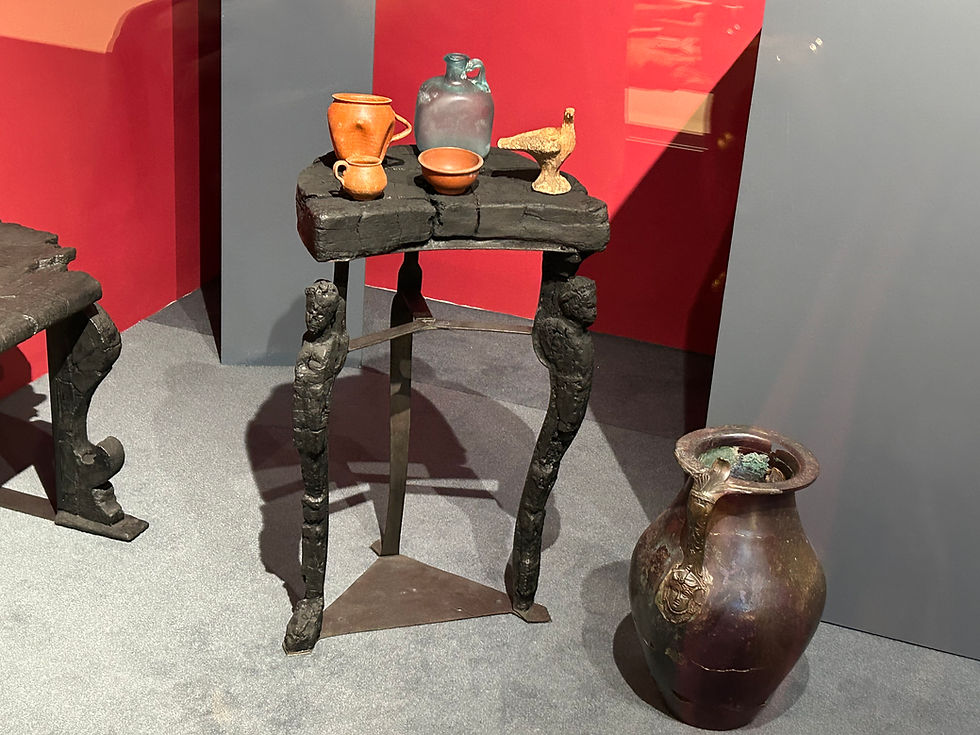
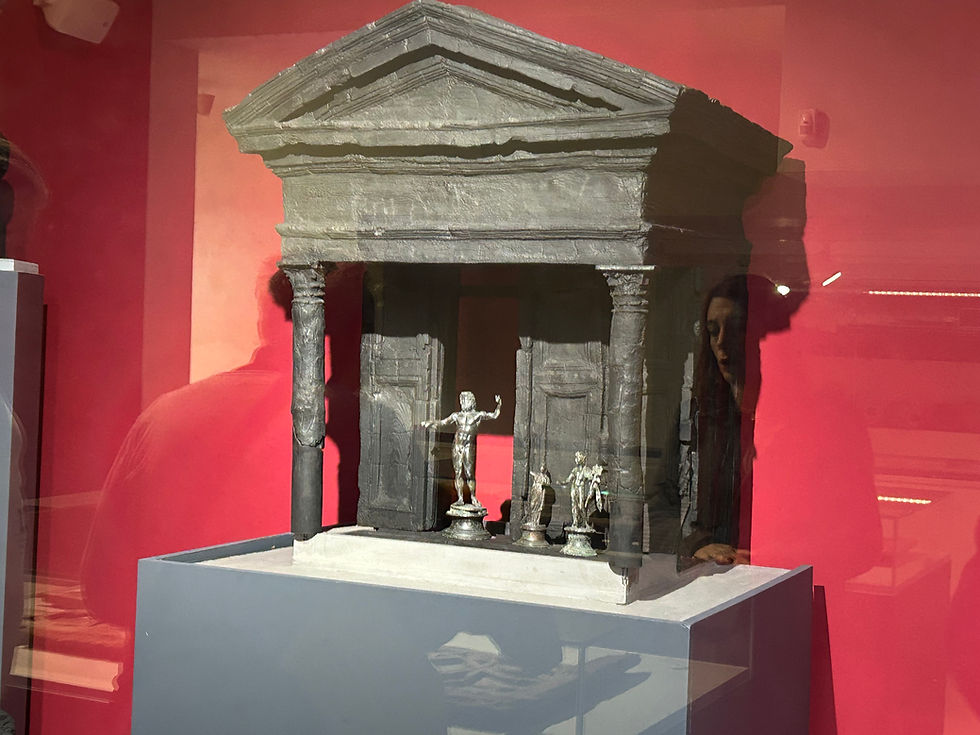
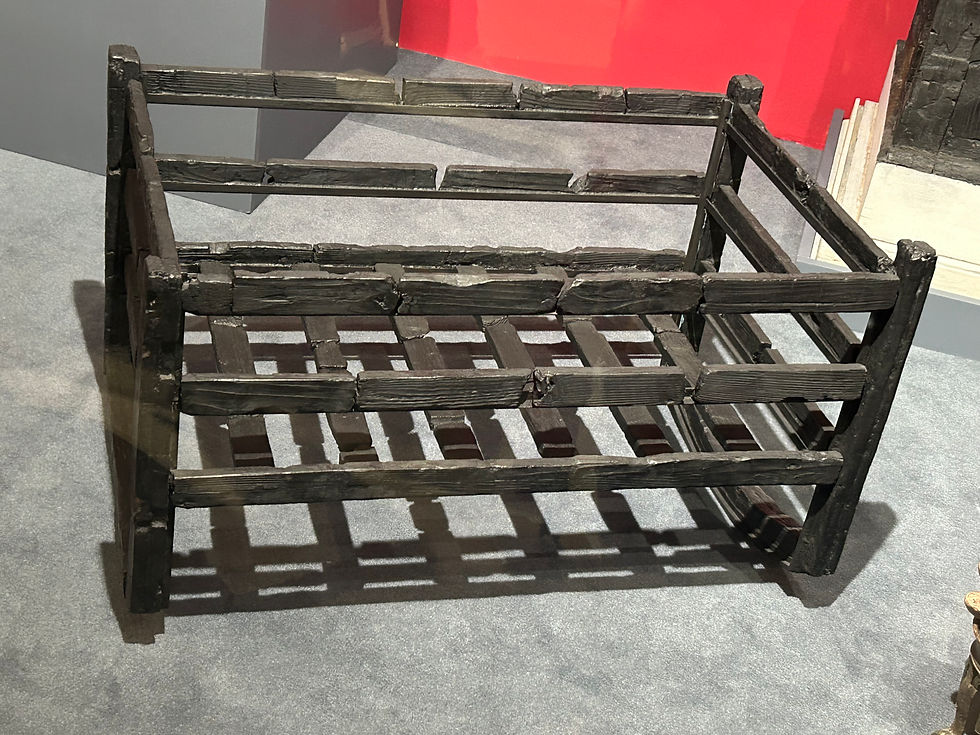
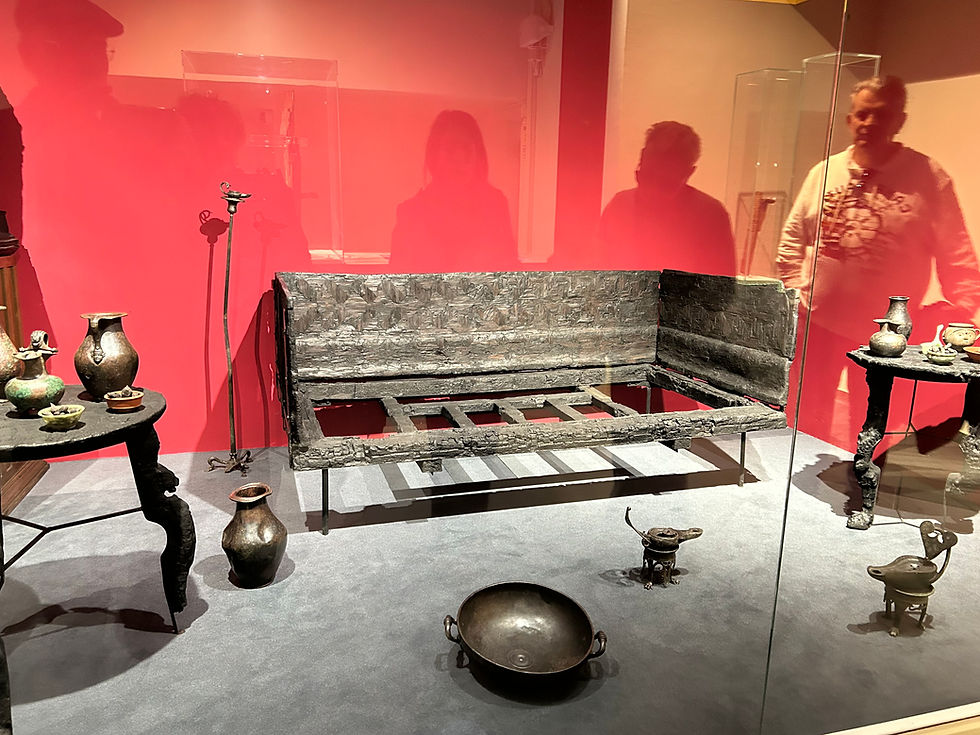
The second museum contained remnants of their lives. Jewelry, found in amazingly perfect condition, beds, a cradle, lamp stands, and many, many amphora which had contained wine, olive oil, and other food stuffs. The amphora were pottery, yet many survived intact.

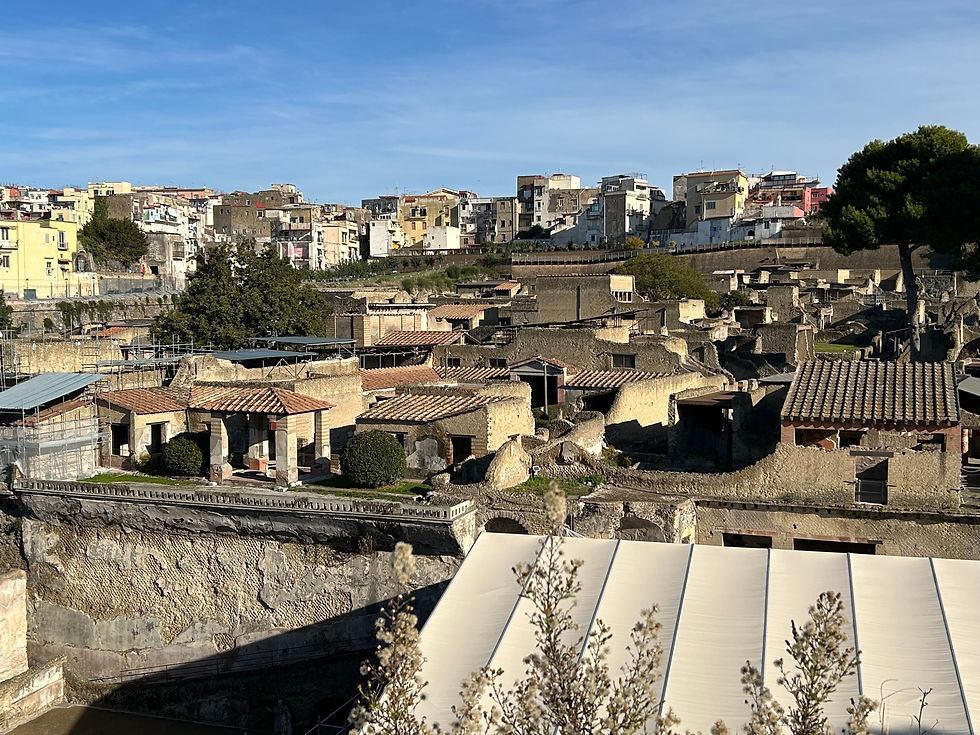
The city sit under 22-33 yards of ash and mud. It was supposedly found in the 18th century by a man digging a well, and has been excavated many times since, sadly not using preservation techniques until recently. Down at the ancient city’s street level we began walking the streets and exploring the buildings.
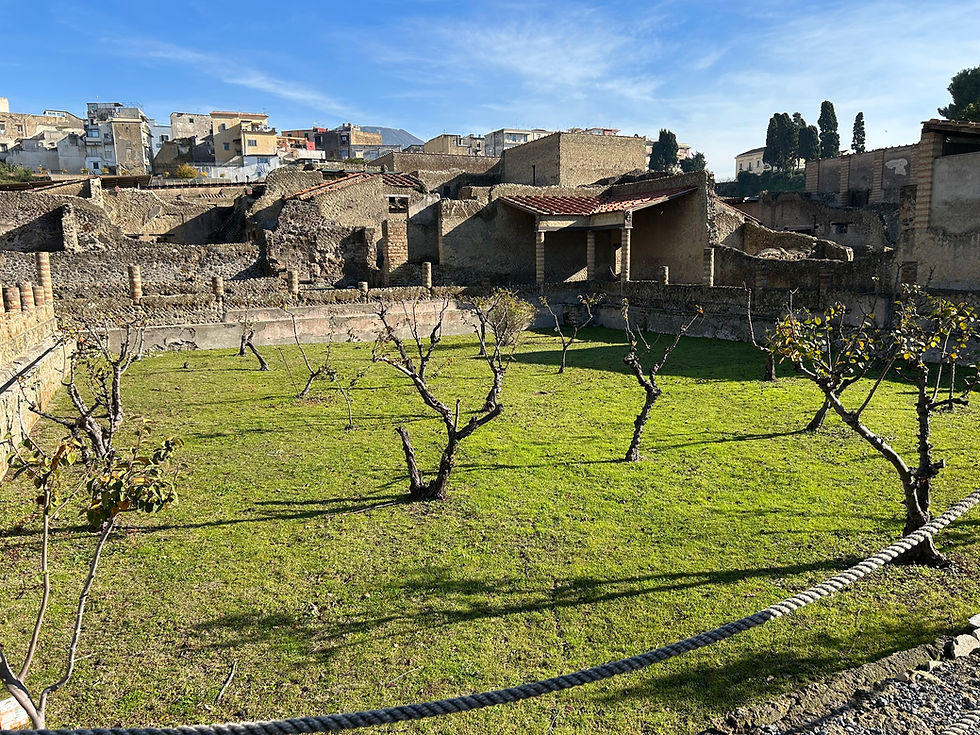
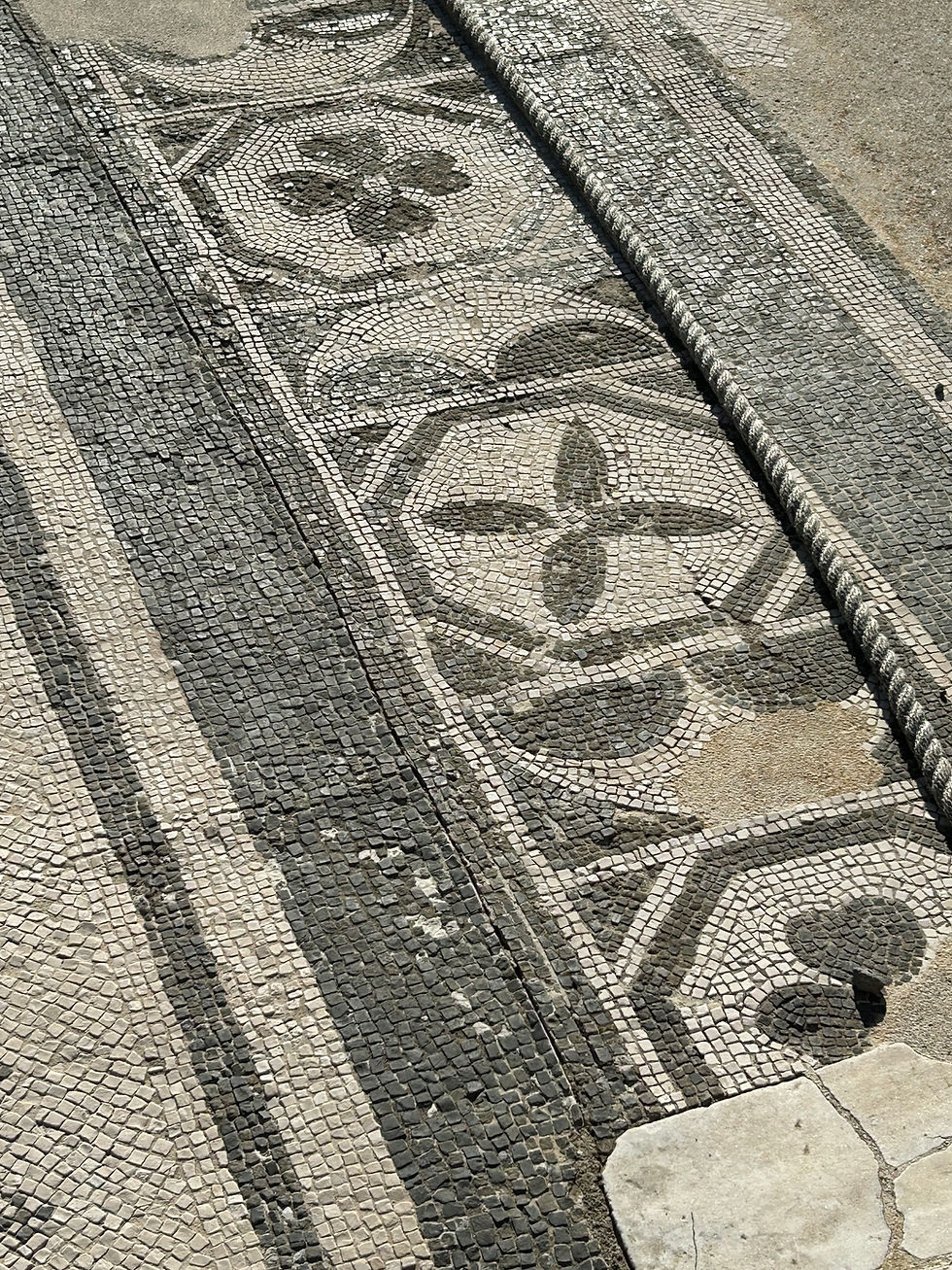
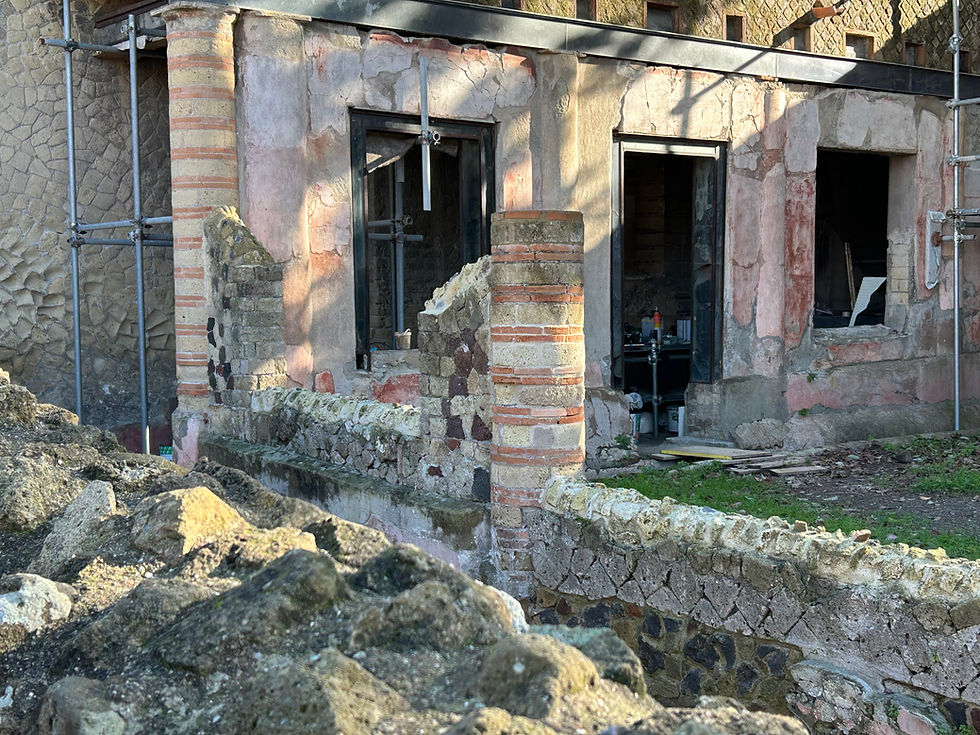
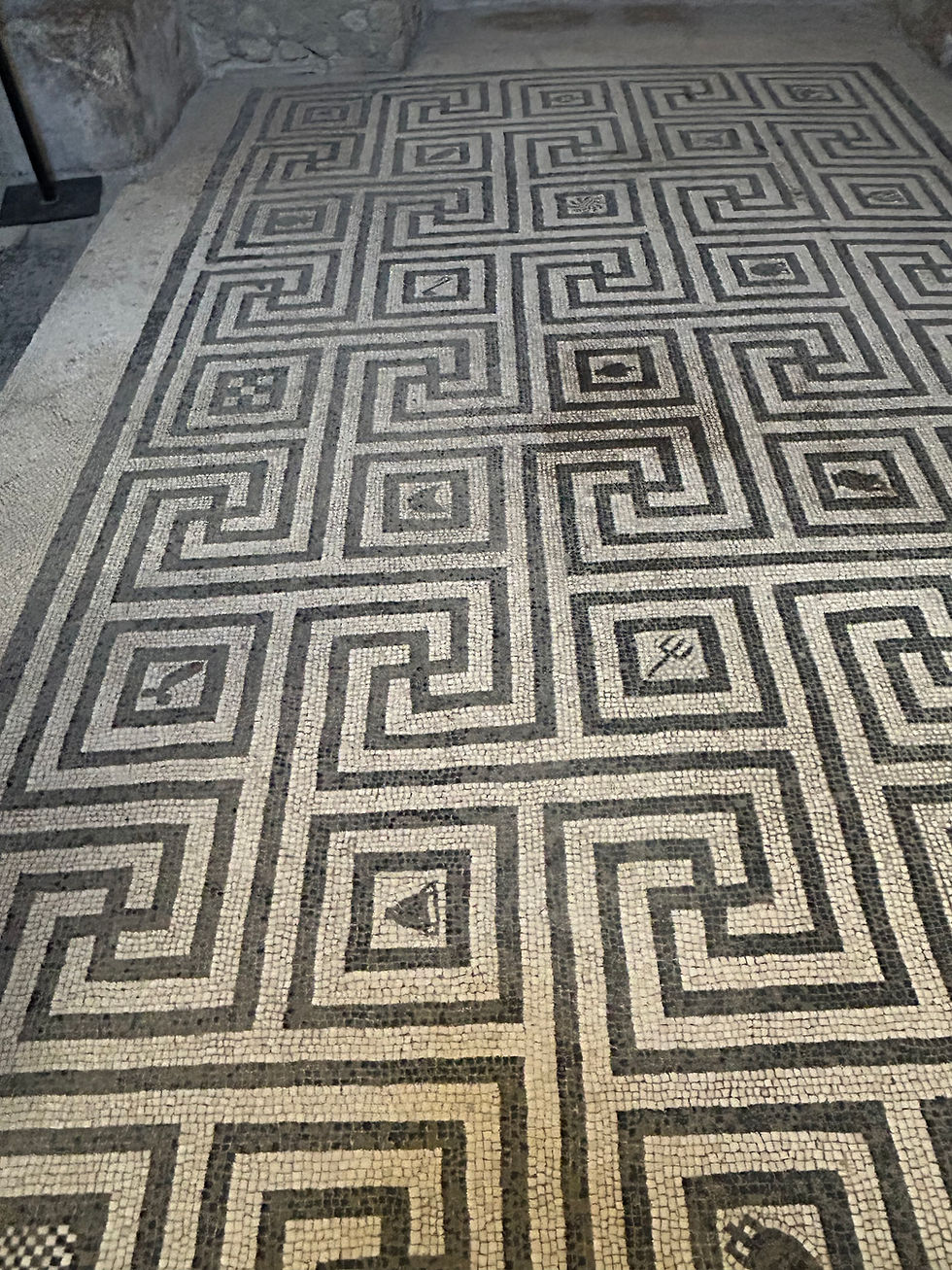
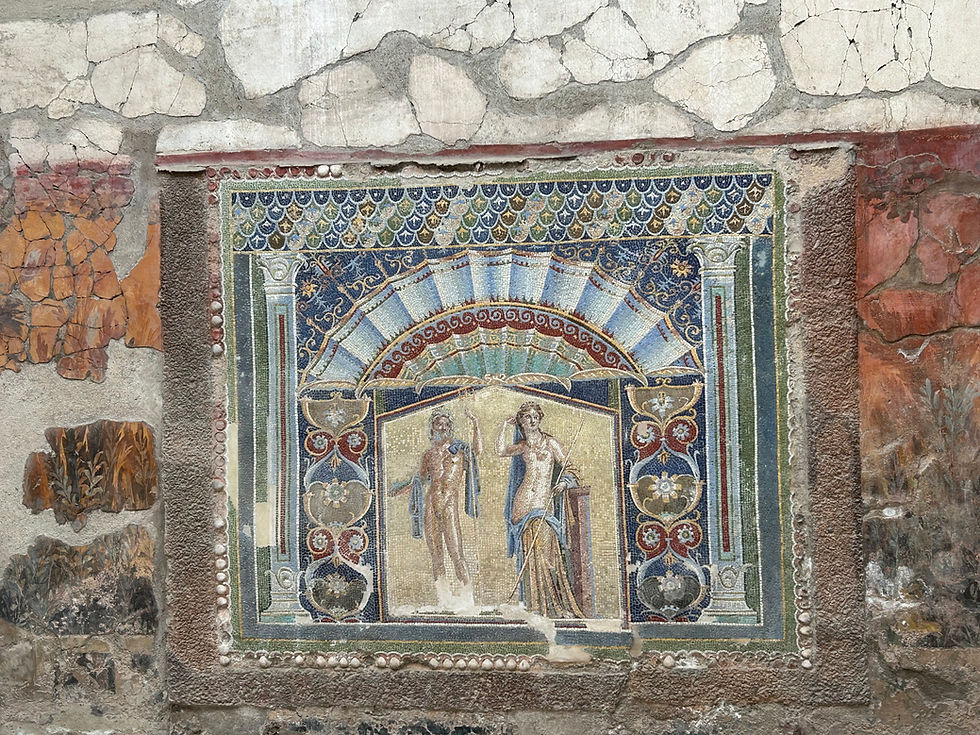
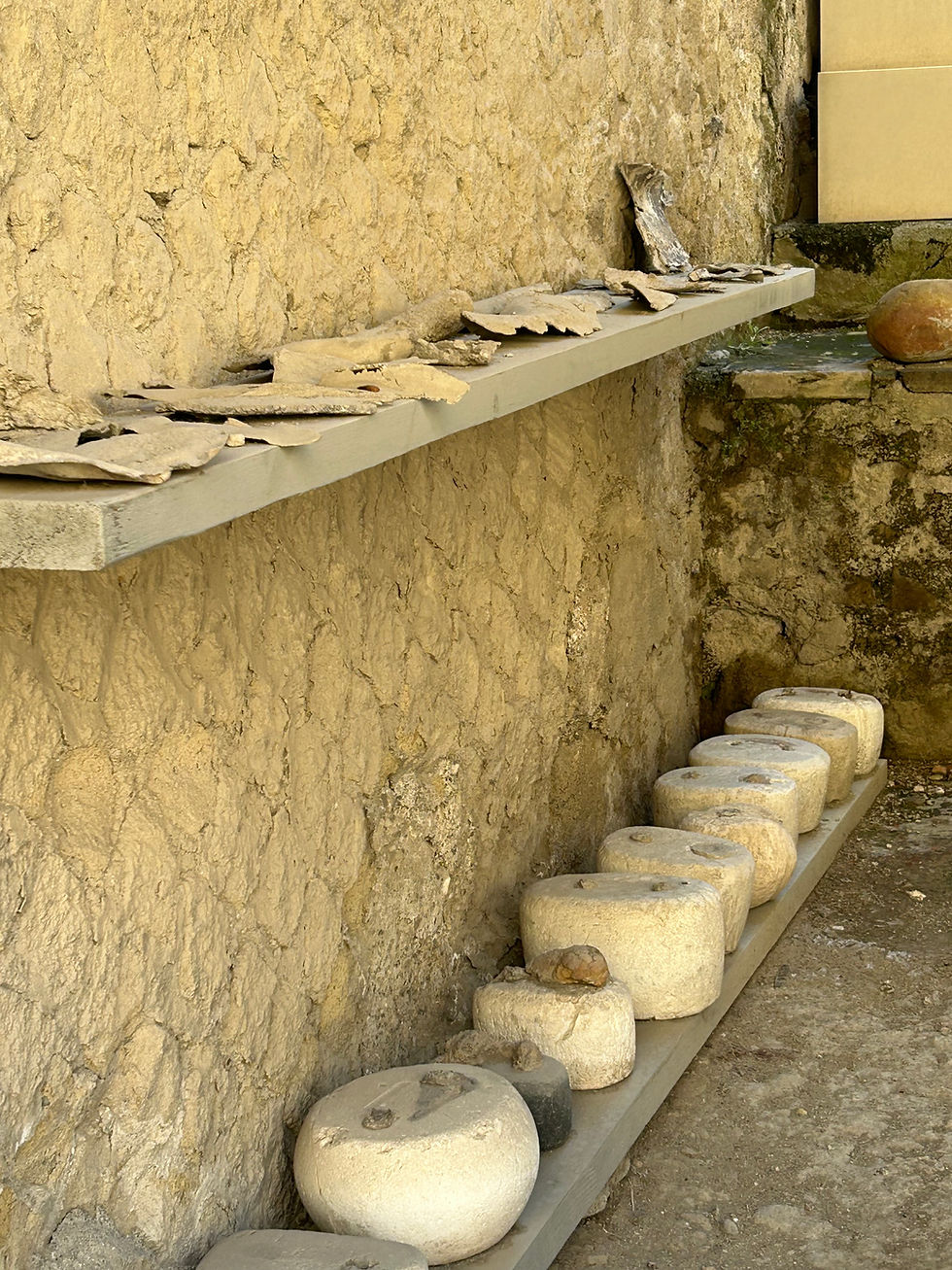

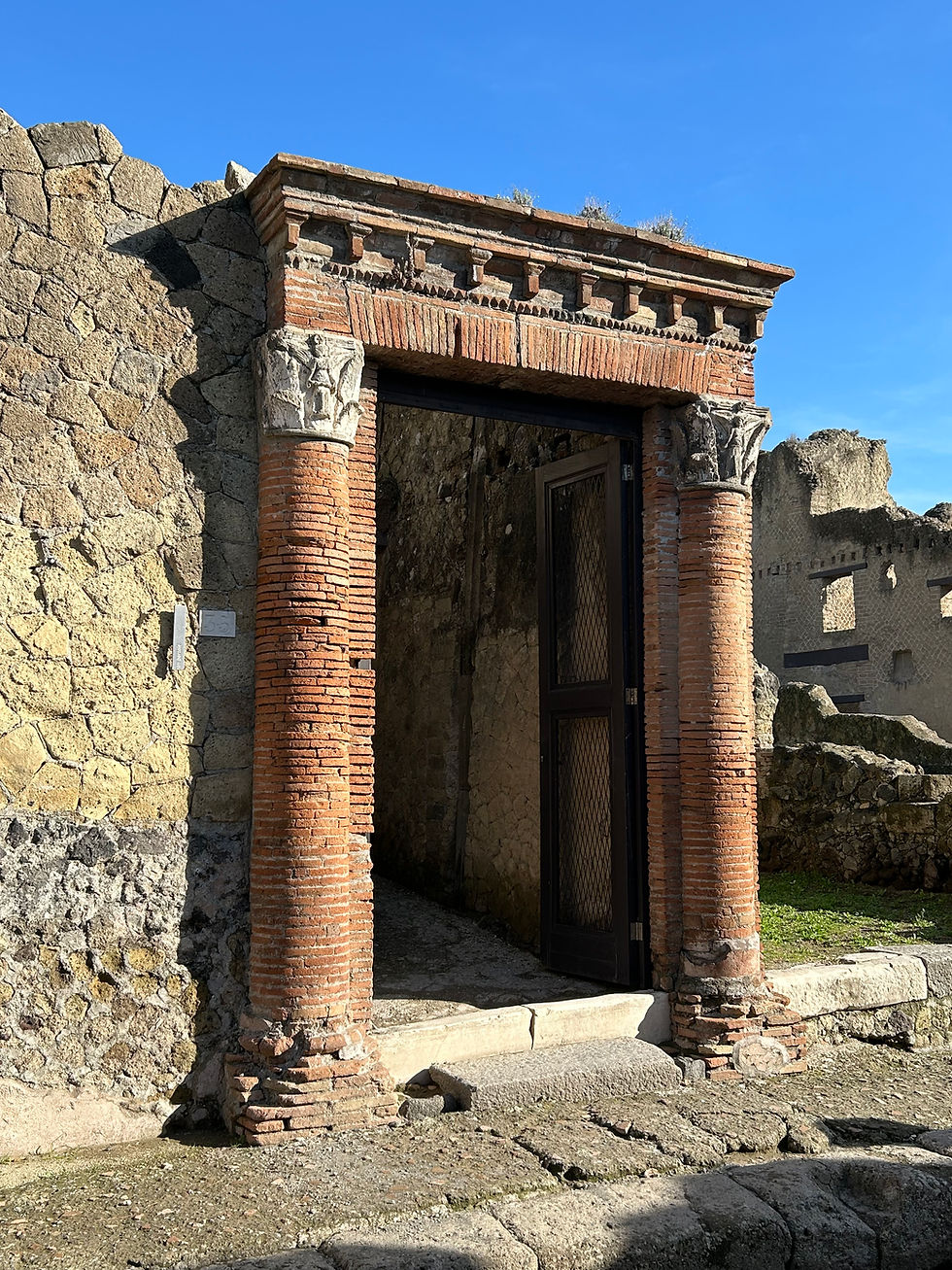
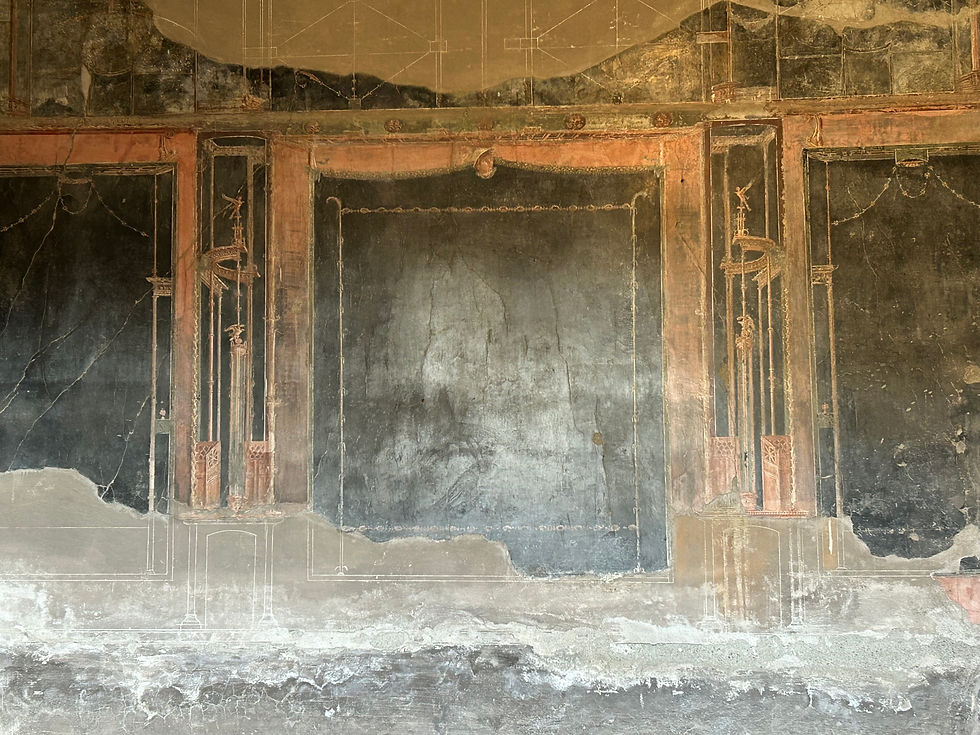
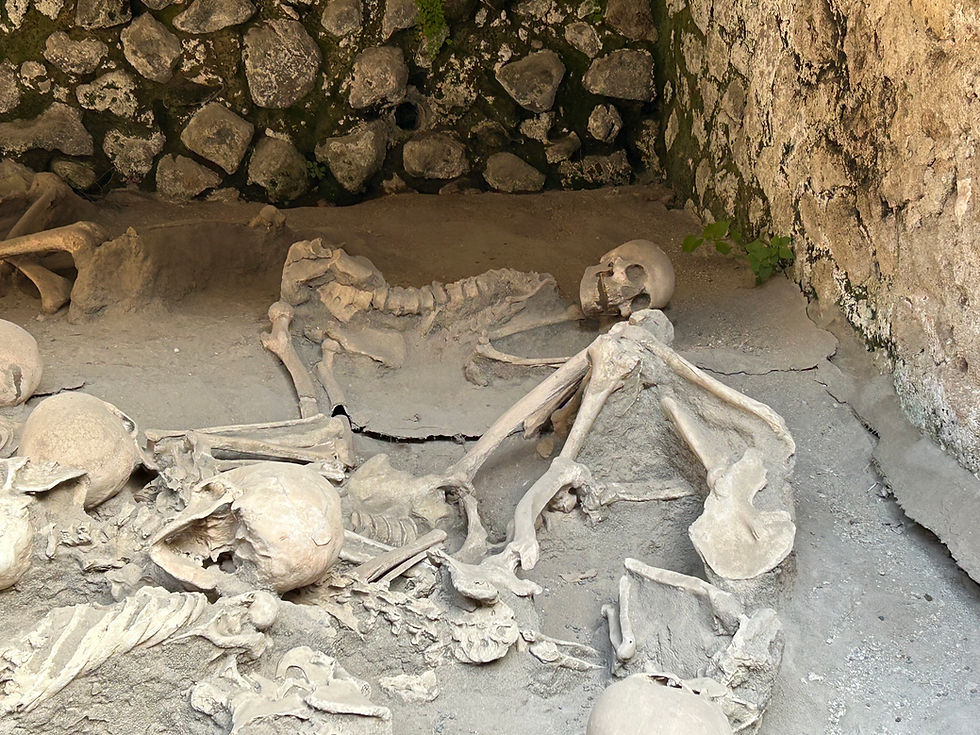
The city may be smaller and less known than Pompeii, but being better preserved, it is a gem of ancient history,
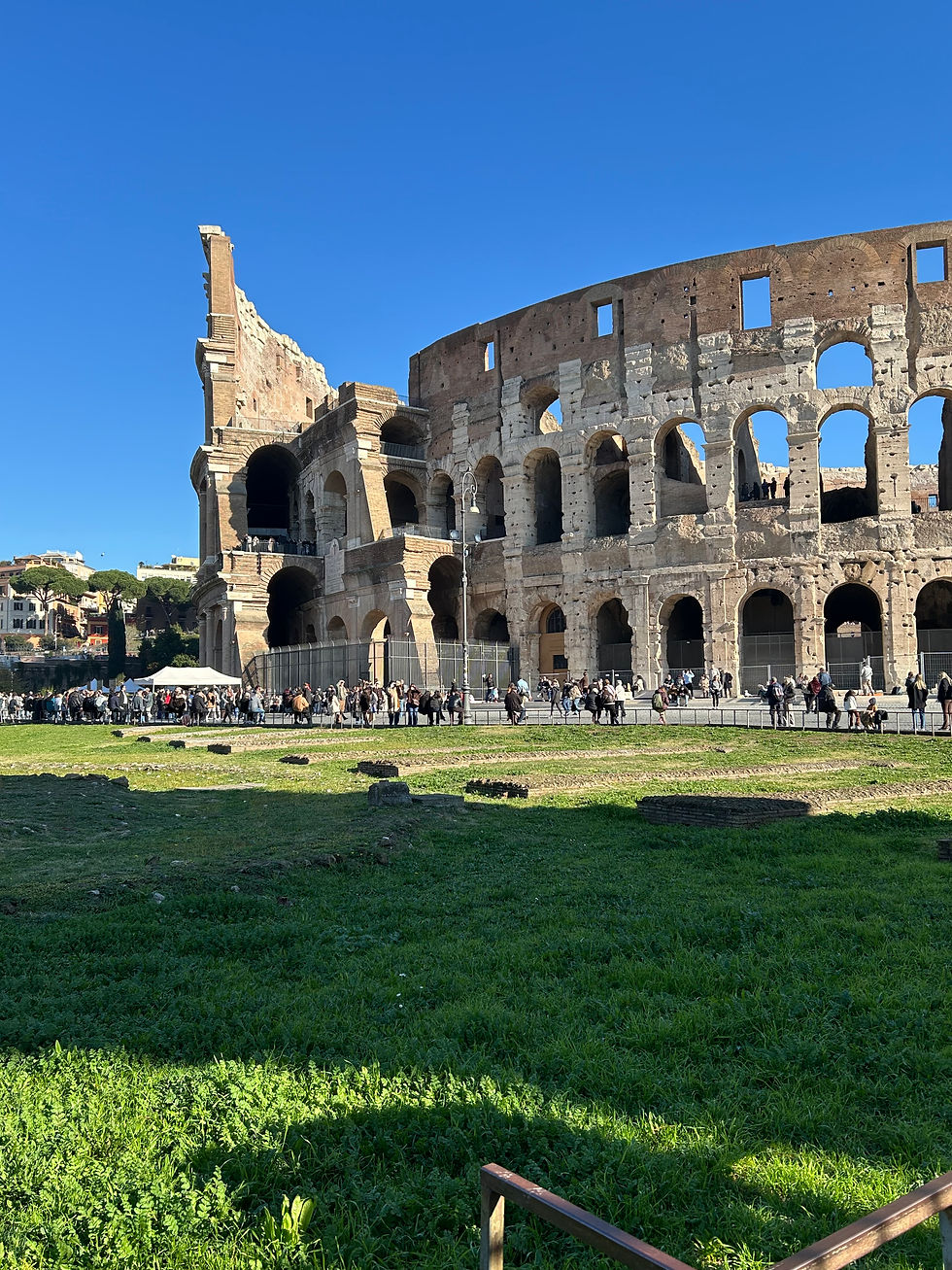
Tomorrow - the Roman Forum and the Colosseum!


Comments